Bag Filter Housing About
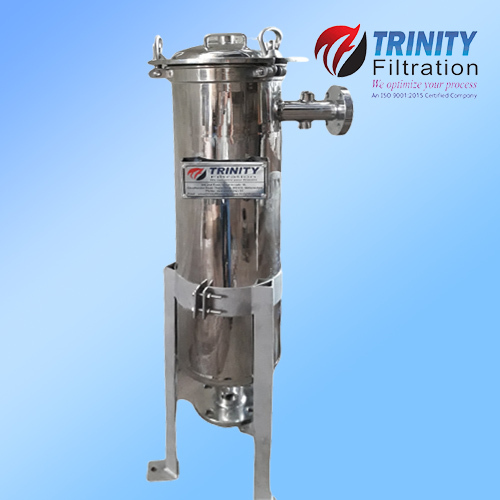
TRINITY Max-FLO Bag Filter Housings are designed and engineered to meet the critical needs of the manufacturing processes. These housings are manufactured for easy disassembly and fast bag element replacement.
Trinity Max-FLO bag filter housings are designed to meet the many requirements of these demanding applications. During the design process, critical features of the housing are optimized to ensure operator-friendly usage, low installation and maintenance costs.
Features & Benefits
- CE, ASME Code stamp compliant Design for safety and durability
- Single, Multi Bag & Duplex units
- Permanently Piped Housings with swing bolt closure design allows easy disassembly and fast cartridge filter replacement
- Pressure Ratings up to 40 Bar
- Rubber/GRP lined vessels
- Aqueous Flow rates up to 4500 GPM
- Large area, heavy duty basket internals
| MOC (available) | Carbon Steel, SS 304, SS 316, SS 316L, SS 904L, Duplex Steel, Monel, Hastelloy |
| Gasket material | EPDM, Viton, Nitrile, Silicone |
| Rounds | Single / Multi (both available) |
| Design Code | GEP / ASME sec VIII Div-1 |
Versatile Filtration for Multiple Industries: Our Bag Filter Assembly is designed for maximum adaptability supporting applications across cement, food, pharmaceuticals, steel, and chemical industries. Modular construction accommodates varying plant sizes and dust loads while meeting stringent air quality standards.
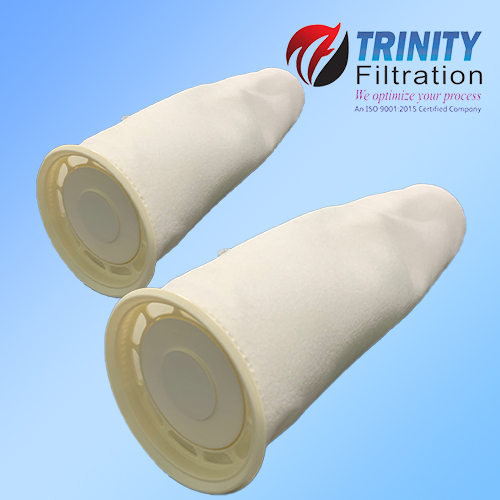
Premium Materials & Customized Solutions: Choose from specialized filter bag materials like Polyester, Nomex, or PTFE, tailored to your operational temperature and dust type. Customizable inlet/outlet connections and discharge systems provide flexibility for seamless integration into your facility.
Efficient Operation & Maintenance: With advanced pulse jet or reverse air cleaning mechanisms and PLC-based automation, the system ensures reliable, energy-efficient dust collection. Features like top/side service access and easy bag replacement minimize downtime and maintenance efforts.
FAQs of Bag Filter Assembly:
Q: How does the Bag Filter Assembly operate for dust and air filtration?
A: The Bag Filter Assembly uses filter bags made from materials such as Polyester, Nomex, or PTFE, capturing dust particles as dusty air passes through. Advanced cleaning options like reverse air or pulse jet mechanisms allow continuous operation while maintaining high filtration efficiency.
Q: What industries can benefit from installing this Bag Filter Assembly?
A: Industries including cement, food processing, pharmaceuticals, steel, and chemicals can leverage this filter for robust dust collection and improved air quality, meeting regulatory requirements and ensuring a cleaner work environment.
Q: When is it necessary to replace the filter bags, and how is it done?
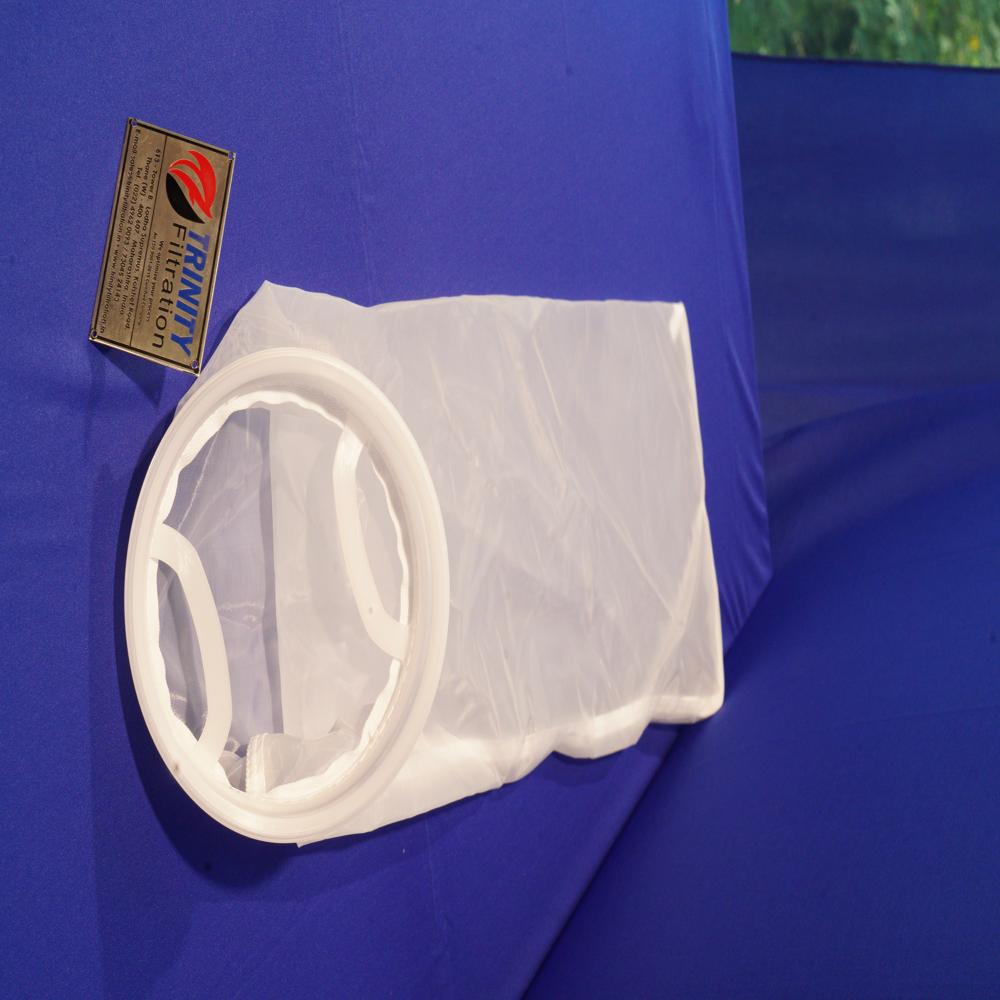
A: Bag replacement frequency depends on dust load and operational conditions. When a noticeable drop in filtration efficiency occurs, bags should be changed. The modular design allows for top or side entry, facilitating easy and quick bag replacement without extensive downtime.
Q: Where can the Bag Filter Assembly be installed within an industrial facility?
A: The assembly is available in floor-mounted or skid-mounted configurations, suitable for both indoor and outdoor locations, depending on your plants layout and process integration needs.
Q: What is the process for selecting the correct bag material and system configuration?
A: Selection is based on your applications temperature, dust characteristics, and required capacity. Our technical experts recommend suitable materials (Polyester, Nomex, PTFE) and design specifications to ensure optimal performance and longevity.
Q: How does automated operation benefit users compared to manual systems?
A: Automated, PLC-based controls enhance operational efficiency by regulating dust discharge and cleaning cycles, reducing manual intervention, and ensuring consistent performance leading to lower maintenance and increased productivity.
Q: What advantages does this modular design offer for industrial filtration?
A: The modular design provides scalability, easy customization, and hassle-free maintenance. Upgrades or expansions can be made with minimal disruption, supporting future growth and changing process needs.








 Send Inquiry

 Send Inquiry
 Send Inquiry
 Send SMS
 Call Me Free


 English
 Spanish
 French
 German
 Italian
 Chinese (Simplified)
 Japanese
 Korean
 Arabic
 Portuguese