Welcome to Our Company -


High-Capacity Bioburden Reduction Filters | Extend Sterile Membrane Service Life
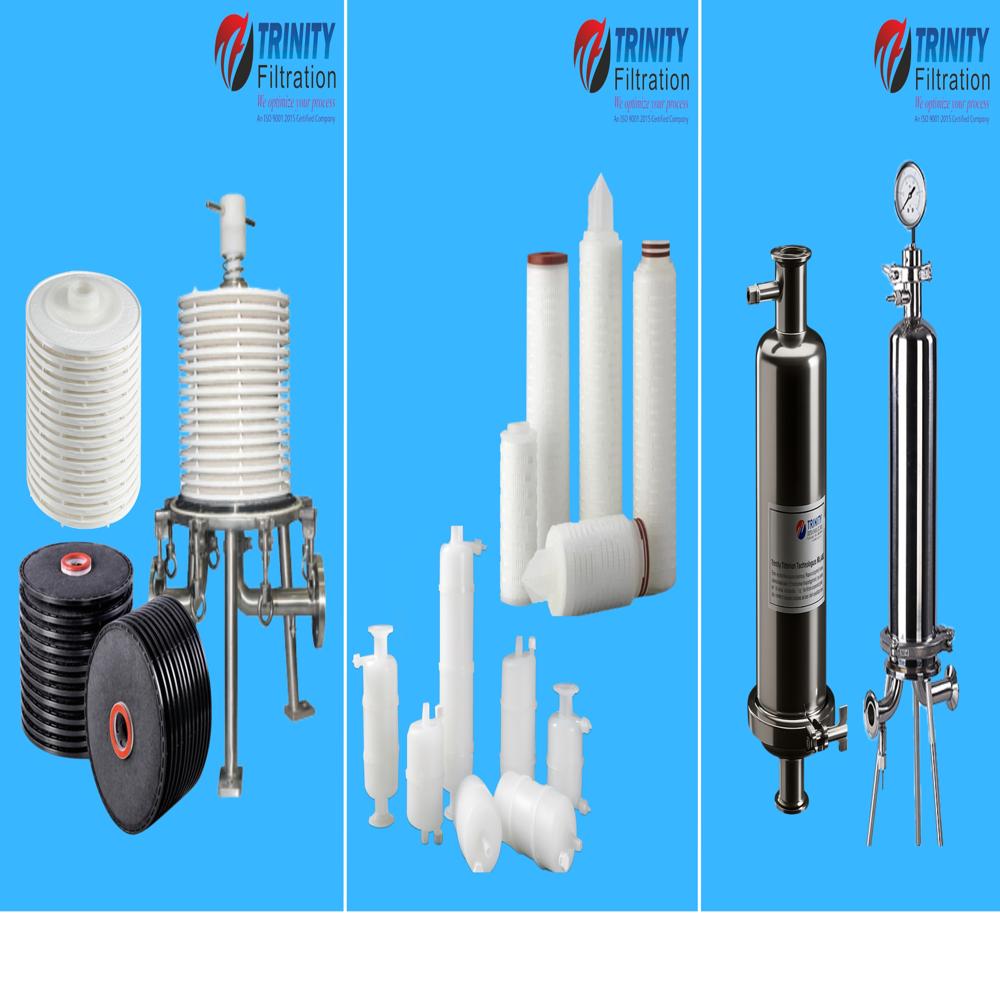
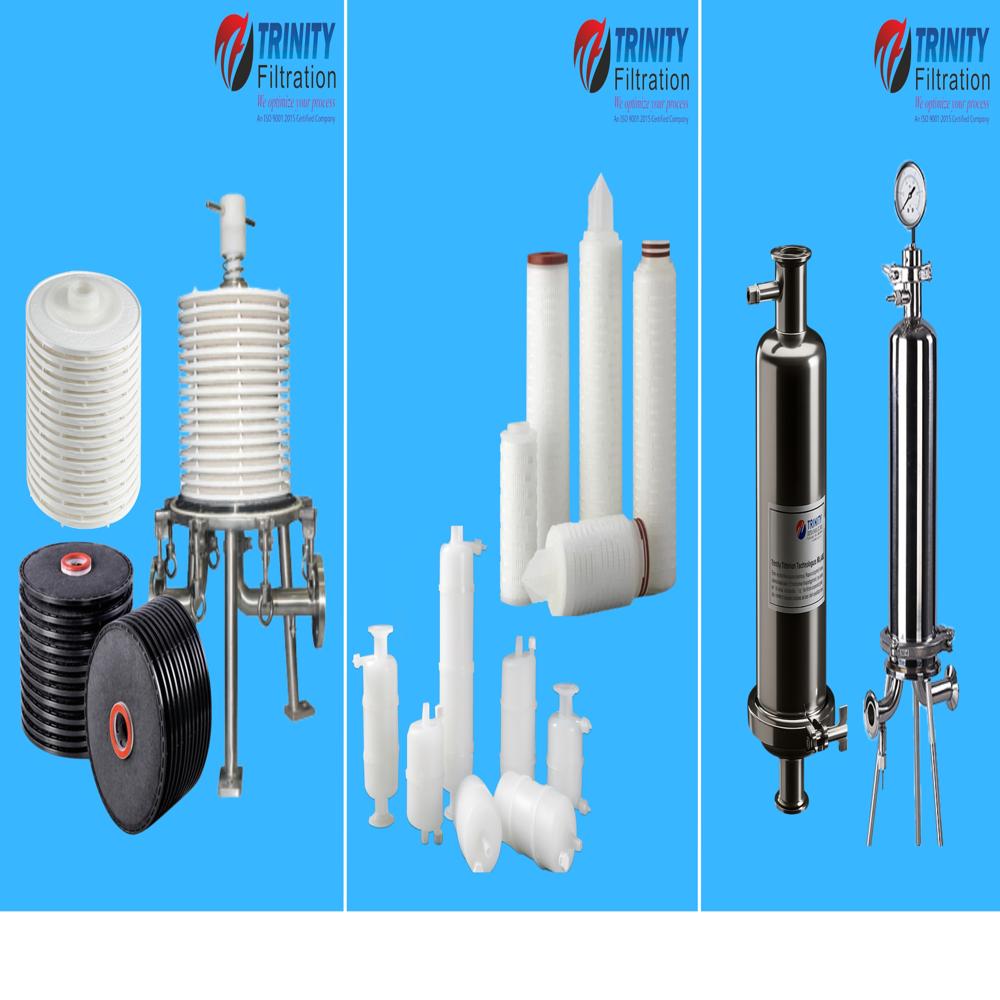
Before a pharmaceutical fluid reaches the final sterilizing-grade filter, it must undergo bioburden reduction. This step is critical for protecting the expensive final membrane, extending its service life, and preventing the "grow-through" of bacteria during long processing times.
Mechanisms of Bioburden Control
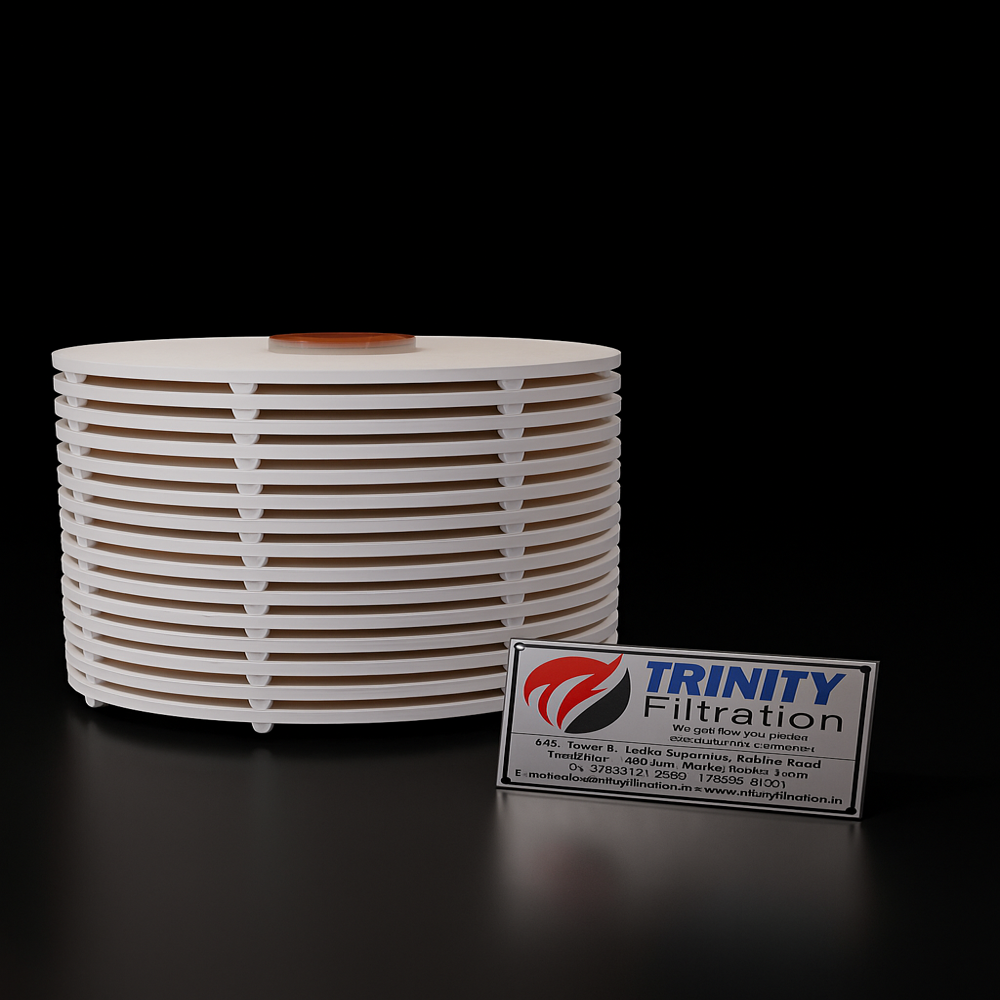
Bioburden reduction filters typically utilize nominal or absolute ratings in the range of 0.2 m to 0.8 m. Unlike sterilizing filters which rely on surface sieving, pre-filters often employ depth filtration mechanisms or asymmetric membrane structures to capture high loads of particulate and biological matter.
Operational Specifications
Operational data indicates that bioburden reduction filters, such as those rated at 0.45 m, often target a Log Reduction Value (LRV) of 6 for organisms like Serratia marcescens. In continuous processing or large-batch manufacturing, the ability of these filters to maintain flow rates while capturing gelatinous contaminants is paramount.
For instance, in vaccine manufacturing, pre-filters protect the sterile filter from cell debris and protein aggregates.
Sterile Filtration for API and Formulation
The "Sterile Filter" is the final barrier before bottling or vial filling. The industry standard is a sterilizing-grade filter rated at 0.2 m (or 0.22 m), validated to retain 10^7 CFU/cm of Brevundimonas diminuta.

Price:
Price 35000.0 INR / Piece
Minimum Order Quantity : 1 Piece
Efficiency (%) : Up to 99%
Diameter : 47 mm, 70 mm, 90 mm
Media Type : Other, Glass microfiber or polypropylene
Pressure : Max 5 bar (may vary based on configuration)


|


 Send Inquiry

 Send Inquiry
 Send Inquiry
 Send SMS
 Call Me Free


 English
 Spanish
 French
 German
 Italian
 Chinese (Simplified)
 Japanese
 Korean
 Arabic
 Portuguese